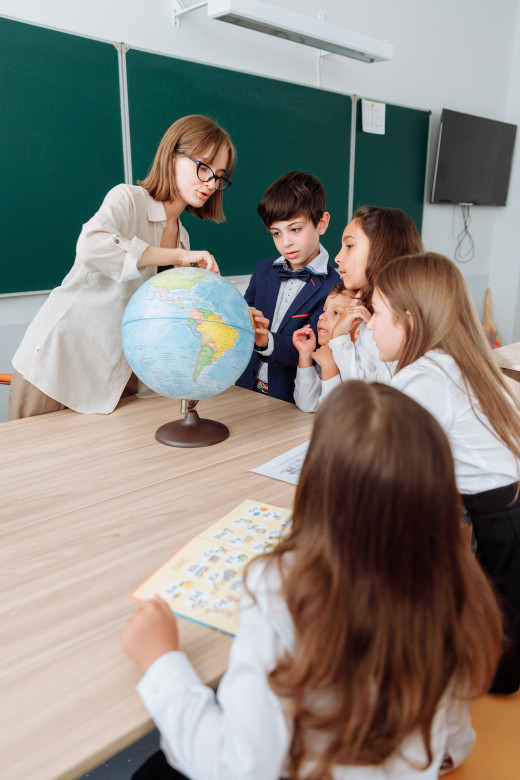
"7 Ways to Build a Learner-Centered Classroom"
A learner-centered classroom is one where students are actively engaged in their own learning and the teacher's role is more that of a facilitator. In this type of environment, students are given the opportunity to explore their own interests, take risks, and develop critical thinking skills. Here are 7 ways to build a learner-centered classroom:
Encourage student choice: By allowing students to choose what they want to learn about, you empower them to take ownership of their education. This also helps keep students engaged and motivated.
Foster collaboration: Group work can be a great way for students to learn from each other and develop teamwork skills. Encourage students to work together on projects, assignments, and class discussions.
Use technology: Technology can be a great tool for creating a learner-centered classroom. From online learning platforms to interactive whiteboards, there are many tools available to help engage students and facilitate learning.
Provide opportunities for hands-on learning: Students learn best when they are actively engaged in the material. Provide opportunities for hands-on learning, such as science experiments, field trips, and hands-on projects.
Encourage critical thinking: Encourage students to think critically by asking open-ended questions, engaging in class discussions, and encouraging students to ask their own questions.
Create a supportive environment: Creating a positive, supportive environment is key to building a learner-centered classroom. Encourage students to support each other, and foster a culture of respect and open communication.
Personalize learning: Personalizing learning is one of the hallmarks of a learner-centered classroom. From allowing students to choose their own projects, to using technology to tailor lessons to individual needs, personalizing learning can greatly enhance student engagement and motivation.
"The Benefits of a Learner-Centered Classroom"
Building a learner-centered classroom has many benefits for students, teachers, and the educational system as a whole. Here are just a few of the benefits:
Increased student engagement: When students are given the opportunity to explore their own interests and take ownership of their learning, they are more likely to be engaged in the material. This leads to better grades, improved critical thinking skills, and a stronger love of learning.
Improved critical thinking skills: Encouraging critical thinking and discussion in the classroom can greatly enhance students' problem-solving abilities and decision-making skills.
Increased motivation: When students feel that they are in control of their own learning, they are more likely to be motivated and engaged in the material. This can lead to better grades and a stronger love of learning.
Better teacher-student relationships: A learner-centered classroom can help build stronger relationships between teachers and students. When students are given the opportunity to take ownership of their learning, they are more likely to feel respected and valued by their teacher.
Improved education system: By building learner-centered classrooms, we can help improve the education system as a whole. Students who are given the opportunity to take ownership of their learning are more likely to be engaged, motivated, and successful in the long term.

"Implementing a Learner-Centered Approach"
Making the switch to a learner-centered classroom can seem daunting, but with the right approach and support, it can be a smooth and rewarding process. Here are some steps to help you implement a learner-centered approach in your classroom:
Start small: If you're new to the learner-centered approach, start by incorporating small changes into your teaching style. For example, you could start by allowing students to choose their own projects or incorporating hands-on learning activities.
Seek support: Talk to your colleagues, attend professional development workshops, and seek out resources that can help you implement a learner-centered approach in your classroom.
Collaborate with your students: Collaborate with your students to create a learning environment that works best for them. Ask them what they need to be successful, and work with them to find solutions that meet their needs.
Be flexible: The learner-centered approach is all about allowing students to take ownership of their learning. Be prepared to be flexible and adjust your teaching style to accommodate the needs of your students.
Continuously evaluate and adjust: Continuously evaluate your approach and make adjustments as needed. Ask for feedback from your students, and be open to making changes that will help you better meet their needs.
"The Importance of Assessment in a Learner-Centered Classroom"
Assessment plays a crucial role in a learner-centered classroom. It allows teachers to evaluate student learning and provide feedback that can help students improve. Here are some of the reasons why assessment is important in a learner-centered classroom:
Helps to measure student learning: Assessment provides teachers with a way to measure student learning and see what they have learned. This information can then be used to provide feedback that can help students improve.
Encourages student motivation: Assessment can be used to motivate students by giving them a goal to work towards. When students are given the opportunity to demonstrate their knowledge, they are more likely to be motivated and engaged in their learning.
Supports differentiation: In a learner-centered classroom, students have the opportunity to work at their own pace and pursue their own interests. Assessment can help support differentiation by allowing teachers to evaluate each student's learning and provide individualized feedback.
Promotes student self-reflection: Assessment can help promote student self-reflection by providing them with the opportunity to think about their own learning and evaluate their progress.
Improves teacher-student relationships: Assessment can help improve teacher-student relationships by giving teachers the opportunity to provide feedback that can help students improve and by giving students the opportunity to demonstrate their knowledge.

"Incorporating Technology in a Learner-Centered Classroom"
Technology has the potential to greatly enhance the learning experience in a learner-centered classroom. Here are some ways to incorporate technology in your learner-centered approach:
Use online learning platforms: Online learning platforms, such as Google Classroom or Edmodo, can provide students with access to course materials and resources, as well as allow for collaboration and communication between students and teachers.
Incorporate digital tools: Digital tools, such as interactive whiteboards, tablets, and laptops, can be used to enhance hands-on learning activities and allow for interactive and engaging lessons.
Use educational apps and games: There are a variety of educational apps and games available that can be used to support student learning in a fun and engaging way.
Encourage the use of social media: Social media can be used as a tool for communication and collaboration between students and teachers.
Provide access to digital resources: Providing students with access to digital resources, such as online databases and e-books, can help enhance their learning experience and support their research efforts.
Comments
Post a Comment