
Teaching social studies
This article provides insights into teaching social studies from an international perspective, covering key themes such as integrating diverse perspectives, critical thinking, and hands-on learning experiences, integrating global issues into the curriculum, assessment and evaluation, and technology integration. It highlights the importance of teaching social studies in this manner, helping students to develop a global perspective, understand different cultures, and appreciate diversity. The article offers practical tips and strategies for teachers to implement in their lessons, including using authentic materials, fostering collaboration, incorporating technology, and using formative and project-based assessments. The information in this article is relevant for teachers, educators, and anyone interested in promoting informed and engaged global citizens.
Teaching social studies from an international perspective
Teaching social studies from an international perspective can help students develop a global perspective, understand different cultures, and appreciate diversity. Here are some steps to follow when teaching social studies in an international context:
Incorporate diverse perspectives: Encourage students to understand the perspectives and experiences of people from different cultures. You can do this by including a variety of voices and perspectives in your lessons and resources.
Use authentic materials: Use authentic materials such as maps, images, and videos to help students understand the geography, history, and culture of different regions. This will give them a more complete picture of the world and help them make connections between the past and present.
Encourage critical thinking: Encourage students to think critically about the information they are learning. This will help them develop their own perspectives on global issues and understand how different perspectives can influence decision-making.
Foster discussion: Encourage students to engage in discussions about global issues and to share their own perspectives. This will help them develop their communication and collaboration skills, and understand the value of diversity.
Encourage students to connect with people from different cultures: Encourage students to connect with people from different cultures through pen pal programs, virtual exchange programs, or other opportunities. This will help them develop a better understanding of different cultures and gain a deeper appreciation for diversity.
Provide opportunities for hands-on learning: Provide opportunities for hands-on learning, such as cooking or creating traditional arts and crafts from different cultures. This will help students engage with different cultures in a tangible way and develop a deeper appreciation for different ways of life.
Incorporating these steps into your teaching will help you create a rich and diverse learning environment that encourages students to think critically about global issues and appreciate the value of diversity. By teaching social studies from an international perspective, you can help students develop a global perspective that will serve them well as they navigate an increasingly interconnected world.
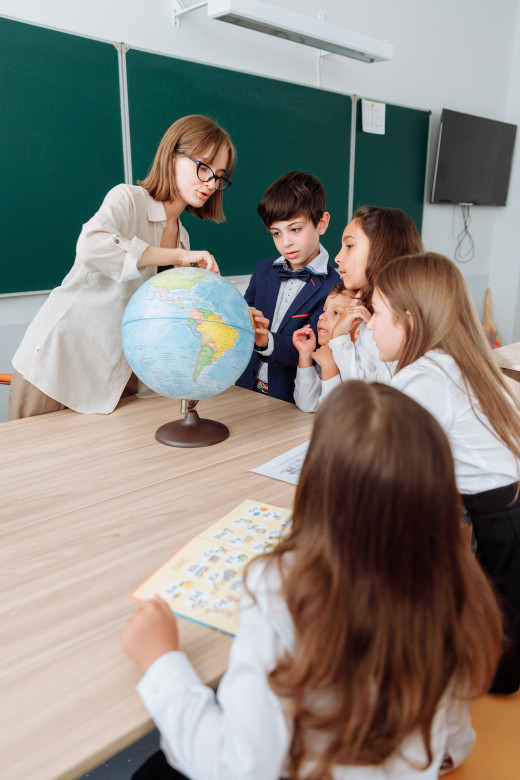
"Integrating Global Issues into the Curriculum"
Teaching social studies from an international perspective can also provide opportunities for students to explore global issues and understand their impact on different cultures. Here are some ways to integrate global issues into your curriculum:
Focus on current events: Incorporate current events into your lessons to help students understand the impact of global issues on different regions and cultures. This will help students see how their studies are relevant to the world around them and develop critical thinking skills.
Use case studies: Use case studies of real-life examples of global issues, such as climate change or conflict, to help students understand the impact of these issues on different communities. This will help them understand the complexities of global issues and the importance of finding solutions that benefit everyone.
Encourage independent research: Encourage students to engage in independent research on global issues that interest them. This will help them develop their research and critical thinking skills, and deepen their understanding of the impact of global issues on different cultures.
Foster collaboration: Foster collaboration by encouraging students to work together on projects related to global issues. This will help them develop their collaboration skills, understand the perspectives of others, and learn about different solutions to global issues.
By integrating global issues into the curriculum, students will have the opportunity to explore the impact of global issues on different cultures and communities, and to develop their understanding of the importance of finding solutions that benefit everyone. This will help them become informed and engaged global citizens who are well-equipped to navigate the challenges of the 21st century.
"Assessment and Evaluation"
Assessment and evaluation play a critical role in determining student progress and understanding when teaching social studies from an international perspective. Here are some ways to assess and evaluate student learning in this context:
Formative assessments: Use formative assessments such as quizzes, class discussions, and group presentations to help students demonstrate their understanding of the material and identify areas where they need additional support.
Project-based assessments: Use project-based assessments to evaluate students' understanding of global issues and their ability to think critically about these issues. Projects can take many forms, including research papers, multimedia presentations, or group simulations.
Self-reflection: Encourage students to engage in self-reflection to help them understand their own learning process and identify areas for improvement. Self-reflection can take many forms, including journals, exit tickets, or reflective essays.
Peer assessment: Use peer assessment to help students understand the perspectives and experiences of their peers and to encourage collaboration and understanding. Peer assessment can take many forms, including peer evaluations of group projects or presentations.
By using a variety of assessment and evaluation methods, you can get a comprehensive understanding of student learning and help them develop the skills and understanding necessary to become informed and engaged global citizens.

"Technology Integration in International Social Studies"
Technology can play a crucial role in teaching social studies from an international perspective. Here are some ways to integrate technology into your lessons:
Online resources: Utilize online resources such as maps, images, and videos to help students understand the geography, history, and culture of different regions. There are many online resources available, including websites, apps, and virtual tours.
Virtual field trips: Take virtual field trips to different regions and cultural sites to help students understand different cultures and ways of life. Virtual field trips can be done through online resources or through virtual reality technology.
Digital storytelling: Encourage students to use digital storytelling tools to create their own narratives and perspectives on global issues. Digital storytelling tools can include video, audio, and other multimedia resources.
Collaboration tools: Use collaboration tools such as online discussion forums, video conferencing, and online collaboration platforms to help students connect with people from different cultures. This will help them understand different perspectives and develop their communication and collaboration skills.
By integrating technology into your lessons, you can provide students with a wealth of information and opportunities to engage with different cultures and perspectives. This will help them develop a deeper understanding of the world and become informed and engaged global citizens.
In conclusion, technology can play a crucial role in teaching social studies from an international perspective. By utilizing online resources, virtual field trips, digital storytelling tools, and collaboration tools, you can help students engage with different cultures, perspectives, and issues in a meaningful and dynamic way. This will help them become informed and engaged global citizens who are well-equipped to navigate the challenges of the 21st century.
Comments
Post a Comment