Creating an Inclusive and Effective Learning Environment: Strategies for Meeting the Needs of Diverse Learners
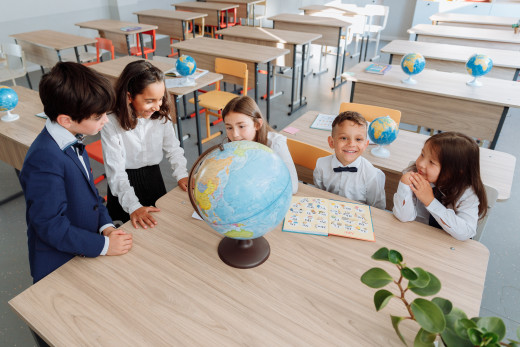
Meeting the needs of diverse learners is an essential aspect of education in today's society. As classrooms become increasingly diverse, with students from different cultural, linguistic, and socioeconomic backgrounds, it is important for teachers to be able to adapt their instruction to meet the unique needs of each student.
Differentiation is a key strategy for meeting the needs of diverse learners. This involves adjusting instruction to match the individual needs, interests, and abilities of each student. This can include using different teaching methods, materials, and assessments to meet the diverse learning styles of students. For example, a teacher may use visual aids and hands-on activities for visual learners, while using verbal explanations and discussion for auditory learners.
Creating an inclusive classroom is another important strategy for meeting the needs of diverse learners. This means fostering a classroom environment where all students feel welcome, respected, and valued, regardless of their background. An inclusive classroom promotes a sense of belonging and encourages students to participate fully in the learning process. This can be achieved by creating a positive classroom culture, providing opportunities for students to share their cultures and experiences, and encouraging students to work together in small groups or partnerships.
In addition to differentiation and creating an inclusive classroom, teachers may also need to develop their own cultural competency. This means having a deep understanding of different cultures and the ways in which culture can influence learning. Teachers should be aware of the cultural backgrounds of their students and take this into account when planning instruction. They should also be aware of any cultural stereotypes or biases that they may hold and actively work to overcome them.
Teachers should also be aware of the language needs of their students. This means being able to provide support for students who are learning English as a second language. Teachers can provide support by using visual aids, repetition, and scaffolding, as well as providing opportunities for students to use their first language in the classroom.
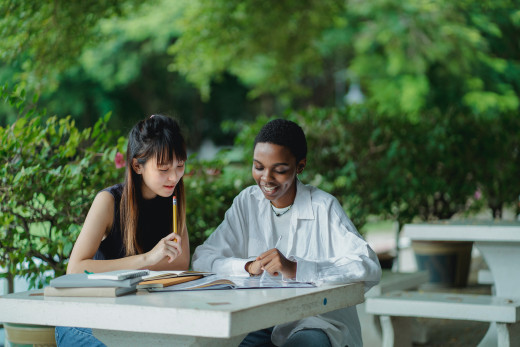
"Implementing Strategies for Meeting the Needs of Diverse Learners"
Implementing strategies for meeting the needs of diverse learners can be challenging, but it is essential for creating an effective and inclusive learning environment. Teachers can take several steps to implement these strategies in their classrooms.
First, teachers can begin by conducting a needs assessment to identify the diverse needs of their students. This can include gathering information about students' cultural backgrounds, language abilities, and learning styles. This information can then be used to plan instruction and create a positive and inclusive learning environment.
Next, teachers can use a variety of teaching methods to differentiate instruction. This can include using visual aids, hands-on activities, verbal explanations, and discussion. Teachers can also use a variety of materials, including textbooks, worksheets, and online resources, to meet the diverse needs of their students. Additionally, teachers can provide students with a choice of assignments and assessments, such as multiple-choice tests, essays, and presentations, to accommodate different learning styles.
In addition to differentiating instruction, teachers can also create an inclusive classroom by promoting a positive classroom culture. This can be achieved by encouraging students to share their cultures and experiences, and by providing opportunities for students to work together in small groups or partnerships. Teachers can also use a variety of strategies to promote respect and inclusion, such as creating a classroom code of conduct, providing opportunities for cultural education, and providing positive reinforcement for inclusive behavior.
Teachers can develop their own cultural competency by participating in professional development opportunities, such as workshops and conferences, and by reading books and articles about diverse cultures and their impact on learning. Additionally, teachers can seek out resources, such as translated materials and language learning software, to support students who are learning English as a second language.

"Challenges and Solutions for Meeting the Needs of Diverse Learners"
While implementing strategies for meeting the needs of diverse learners is essential for creating an inclusive and effective learning environment, it can also present some challenges for teachers. Some of these challenges include:
Limited resources: Teachers may have limited resources, such as funding, materials, and time, to implement strategies for meeting the needs of diverse learners.
Lack of training: Teachers may lack the necessary training to effectively differentiate instruction and create an inclusive classroom.
Lack of support: Teachers may lack support from school administrators and other educators in implementing strategies for meeting the needs of diverse learners.
To address these challenges, teachers can take several steps to find solutions. Some solutions include:
Networking with other teachers: Teachers can network with other educators to share resources and ideas for meeting the needs of diverse learners.
Participating in professional development: Teachers can participate in professional development opportunities, such as workshops and conferences, to gain the necessary skills and knowledge to effectively differentiate instruction and create an inclusive classroom.
Advocating for change: Teachers can advocate for change by working with school administrators and other educators to secure funding and resources for meeting the needs of diverse learners.
Collaboration with families and community: Teachers can collaborate with families and community members to gain a better understanding of students' cultural backgrounds and language abilities, and to create a more inclusive and effective learning environment.
"The Importance of Meeting the Needs of Diverse Learners"
Meeting the needs of diverse learners is important for several reasons.
First, it promotes equity and social justice in education. All students deserve the opportunity to receive a quality education, regardless of their cultural, linguistic, or socioeconomic background. By implementing strategies for meeting the needs of diverse learners, teachers can ensure that all students have access to the same opportunities and resources.
Second, it improves academic outcomes for all students. Differentiation and inclusive instruction lead to improved academic outcomes for all students, not just for those who are diverse. This can be achieved by providing instruction that is tailored to the unique needs of each student, which leads to increased engagement and motivation.
Third, it prepares students for a diverse world. Today's society is becoming increasingly diverse, and it is essential for students to learn how to interact and work effectively with people from different backgrounds. By creating an inclusive classroom, teachers can provide students with the skills and knowledge they need to navigate a diverse world.
Meeting the needs of diverse learners can also benefit the teacher. It can help the teacher to develop a deeper understanding of different cultures and the ways in which culture can influence learning, which can lead to more effective instruction. It also can help to create a more positive and inclusive classroom, which can lead to a more enjoyable and rewarding teaching experience.

"The Role of Technology in Meeting the Needs of Diverse Learners"
Technology can play a crucial role in meeting the needs of diverse learners by providing new and innovative ways to differentiate instruction and create an inclusive classroom.
First, technology can provide teachers with a wide range of educational resources, such as digital textbooks, interactive simulations, and online games, that can be used to differentiate instruction. This can help to meet the diverse learning styles of students, as well as providing access to material for those with visual or hearing impairments.
Second, technology can provide teachers with the tools to personalize instruction for each student. For example, some learning management systems allow teachers to track student progress and adapt instruction based on their needs. Similarly, some educational software can provide customized instruction based on a student's skill level, learning style, and language abilities.
Third, technology can also be used to create an inclusive classroom environment. For example, online communication tools such as discussion boards and video conferencing can be used to create virtual classrooms that allow students to collaborate and communicate with each other regardless of their location. Additionally, tools such as translation software can be used to support students who are learning English as a second language.
Finally, technology can also be used to support the teacher's own professional development and cultural competency. For example, online professional development resources, such as online courses and webinars, can be used to help teachers develop their skills and knowledge in differentiating instruction and creating an inclusive classroom.
Comments
Post a Comment